July 19, 2019
Rashmi and Lily’s perspective:
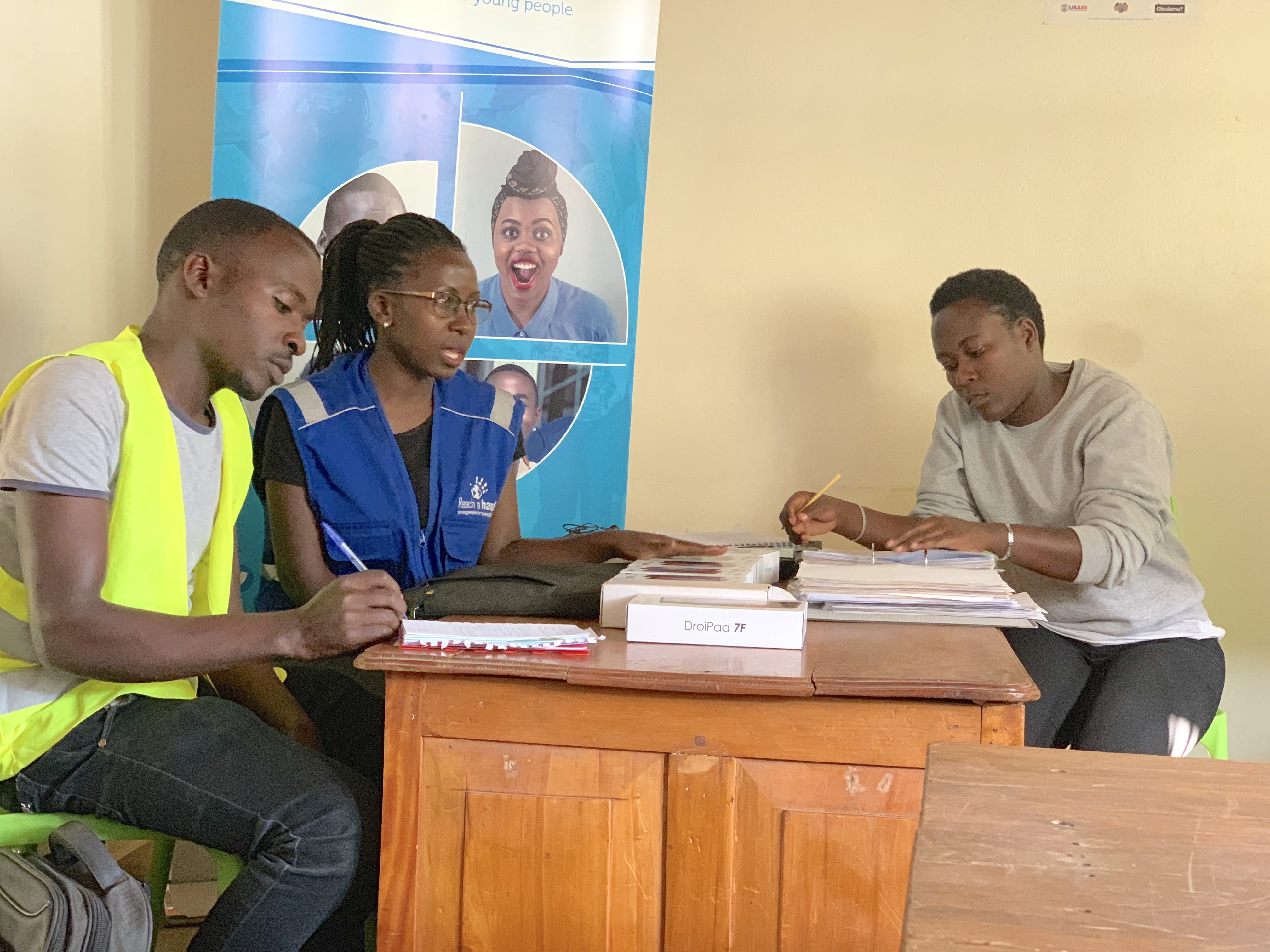
This morning in the office, we recapped on what we did yesterday at the Miss Uganda peer educating session and at both of the school educating sessions. We each wrote a report for Bashir on our individual school visits (peer influence and menstruation), and then submitted one together for the Miss Uganda session. Following our report submissions, we were asked to join in on a meeting with Ibrah, Peace, and Doreen about what we would be expected to do while in Yumbe later this week and next week. Ibrah went through the entire schedule for training the new peer educators which lasts about 4 days. The first 2 days we are there (July 26 and 27), we will be sitting in on interviews for the peer educators and assisting in picking the 25 candidates to be trained. After going through the schedule, Ibrah suggested that we both choose two topics or sessions to help facilitate along with himself, Peace, and Helen. Lily chose to focus on bodily changes and contraceptives, and Rashmi was interested in gender roles and contraceptives as well. They asked us to write up a short session plan for all four topics so that we have some sort of schedule. Once Ibrah had finished explaining his expectations, Doreen explained what she wanted us to do as well. She requested that we send daily updates on what we’ve done that day, maybe including an interesting quote or observation from that day. Those daily updates should include a detailed blog as well for the RAHU website, so we figured we would use that post for our blog as well! Lastly, she asked that we profile each of the 25 peer educators and, with the help of the photographer Kasule, make sure they all had photos taken. If we have time, we might try to interview other members of the community or health workers in the area. The meeting ran until 3:30, so afterwards, we decided to get a head start on some of the work assigned as well as completing Thursday’s blog post.
That night, we decided to head out went to a bar called Route 256 which featured a live band for the night! They were really good and kept the energy going in the outdoor patio space . After sitting and enjoying the music, we looked up a few bars or clubs we could go to and decided to go to a place called Guvnor. The walk there was a little longer than we were expecting, but it was really nice once we got there! We were one of the first ones there and the DJ played some American music that we danced to for a little bit, but eventually it started to fill up and we made some Ugandan friends who were super fun. We all headed to the dance floor and danced for quite a bit, our new friends taught us some new moves (well, they attempted to). After, we moved to a lower part of the club where we ran into some of the Miss Uganda contestants! It was really awesome that they recognized us and invited us to hangout with them, so we spent the rest of the night with them. We also had the pleasure of watching a few up and coming Ugandan artists perform (kind of the Ugandan version of a Soundcloud rapper). Overall it was a great first night out!
Aayush and Mariam’s Perspective: Mbarara, Day 5
Nyabikungu Health Center II
To top off the first full week in the field, we went to 2 more clinics. The first was called Nyabikungu Health Center II. Challenges here included a lack of tool kits, outreaches, and communication due to no cell phones. The health worker noted their small team (3 guys and 2 girls) but how they are trying to expand. He stated their lack of HIV testing kits. However, the new DHO worked well with this clinic to allow funding for HIV testing kits starting next month (yay!). Helen wanted to add how proud she was of this group. The peer educators went out of their way to follow up with nurses to make sure patients got the appropriate care after referring them. One noticeable difference between other health center and this one was the lack of a ceiling. There was a general roof, but the room itself did not have a ceiling. This caused a lot of dirt to enter the room, creating unsanitary conditions. Helen said she would bring the issue up with RAHU for possible funding to repaint and create a ceiling. Lastly, this center did not have a volleyball net as the district did not allow permission to have one assembled. The peer educators are hopeful with the new District changes that a volleyball net will be put up soon.
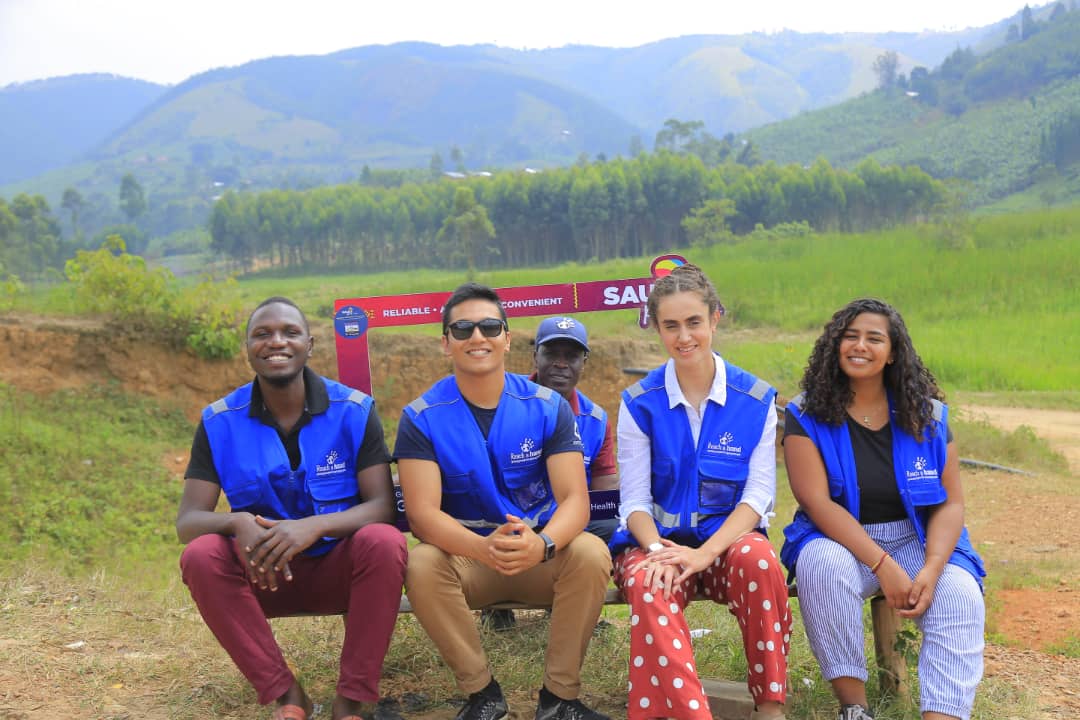
RHU Location, Bushenyi Clinic
This health center included a lot more youth action. It was located in a town, not in rural mountain areas like the previous ones. It is also one of the main centers for RHU, or Reproductive Health Uganda. It had a wall surrounding it and a volleyball court with about 20 young people practicing. Although the place seemed impressive, there are only 5 peer educators, 2 of which did not make it to the meeting, the others all being new members. Their activities included community talks with youths on Thursdays and creating events with services and activities to attract youth. On the other hand their challenges included:
- Health centers not recognizing the referral cards and still asking for money.
- Having to transport to the health center to talk to the youth when they can do it from their communities.
- Lack of HIV testing skills, although authorities are assessing the needs in order to provide this service soon.
- Misplacement of their toolkits.
The head of the health center nevertheless asked the peer educators to still make referrals as some people could be willing to pay. He also emphasized that peer educators be aware of where they are getting their data from in order for RAHU to use this data accurately as primary data. He also mentioned how they were thinking of starting youth studio to encourage young people to come to the health center and create their own programs with whatever topic they choose. Hellen also suggested they start having table talks and discussion with the youth in the community in order to avoid having to come to the health center. It would also reach more youth due to the location being in a more urban setting.
 Rutgers Globemed GROW Trip 2019